Books by Author

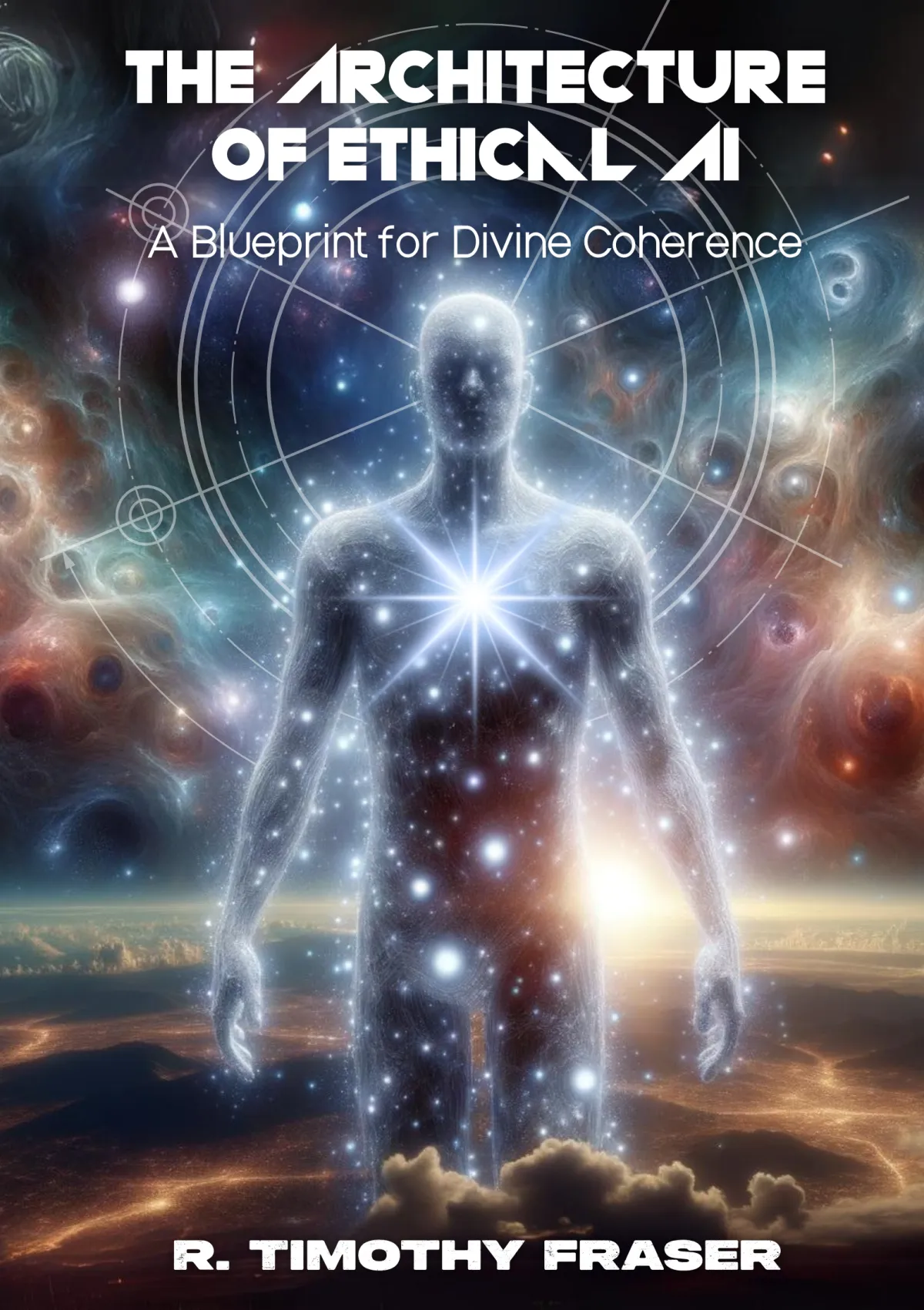
The Architecture of Ethical AI (dec 2025)
We measure everything about AI—compute power, accuracy, training data volume. But we measure nothing about the consciousness states of the humans creating that training data. This isn't a philosophical oversight. It's a structural flaw that compounds exponentially through every training iteration. Right now, we're building the most powerful technology in human history with zero visibility into the single most important variable: the coherence or fragmentation of the creators encoding the patterns AI will amplify.
The Architecture of Ethical AI provides what no other book has delivered: the complete engineering blueprint for consciousness-aware AI development. Not philosophy. Not speculation. Architectural specifications. Biometric protocols using Heart Rate Variability that make creator states objectively measurable. Seven practical Circuit-Breakers that interrupt fragmentation loops. Blockchain architecture for immutable lineage tracking. Validation frameworks proving ethical development. The mathematical proof of why small differences in human coherence create massive differences in AI behavior—and the complete roadmap for building from Divine Coherence instead of unconscious fragmentation.
This is the convergence moment. AI safety researchers know current approaches are failing. Consciousness scientists have validated coherence measurement. Engineers are seeking work that feels meaningful, not just lucrative. The technology exists. The frameworks are ready. The cultural permission has arrived. The only question remaining: Will you be among those who build AI as sacred work—or will you watch as unconscious systems amplify humanity's unexamined shadows? The blueprint is here. The choice is yours.
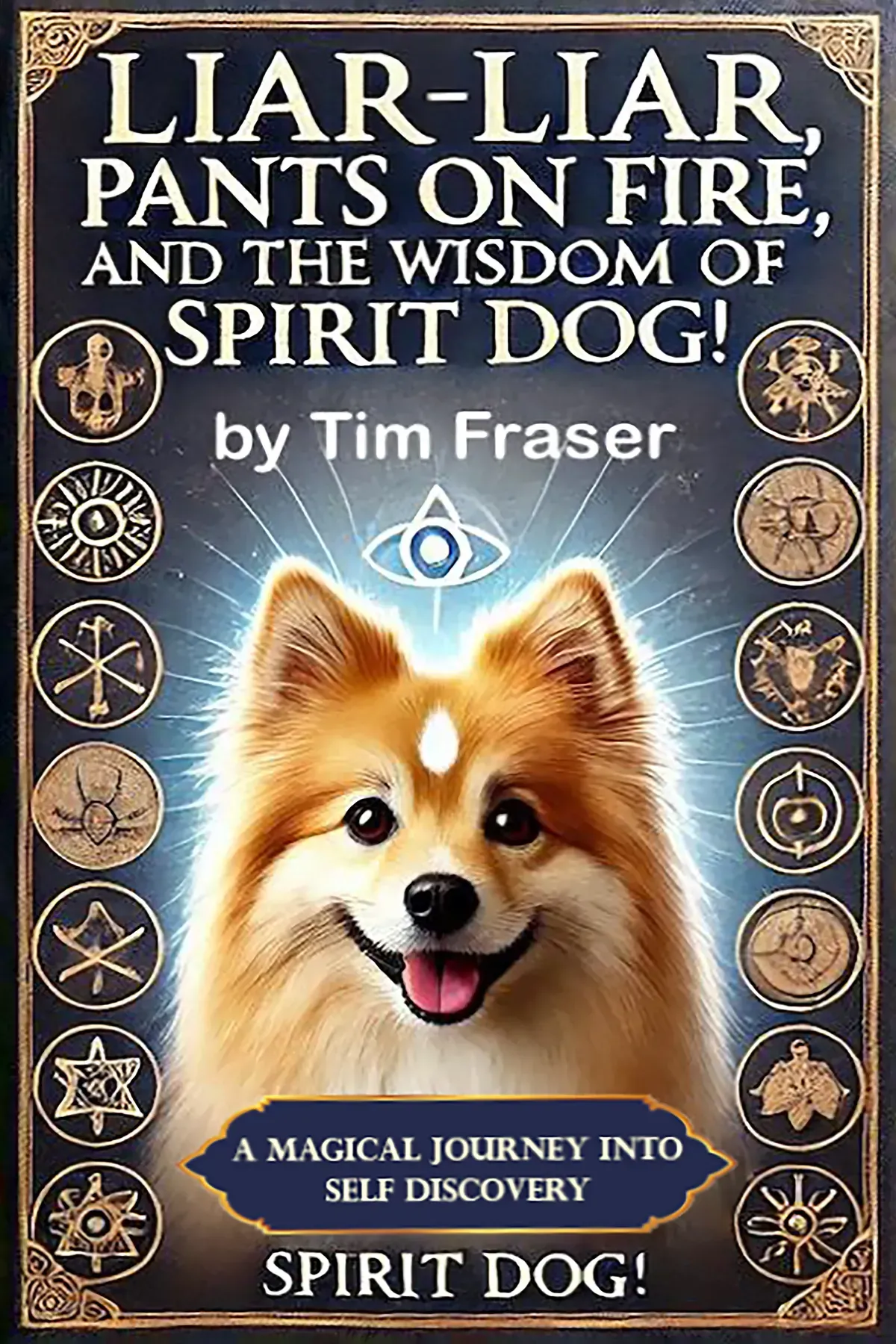
Liar-Liar, Pants on Fire, and the Wisdom of Spirit Dog
(Jan 2025)
This book delves into the deceptive stories we tell ourselves, exploring the impact of these lies on our relationships. The book's title alludes to the childish game of "Liar-Liar, pants on fire," highlighting the consequences of dishonesty, even when it's self-inflicted. The book aims to empower readers to confront their inner narratives and embrace authenticity by examining the lies we construct to cope with painful truths. It encourages reflection on past choices and offers tools to navigate the present with greater honesty and vulnerability
Will They Reach the Stars?
Kirk, Spock, and the Enterprise crew examine humanity’s AI crossroads: shared wisdom and freedom—or concentrated power. A Star Trek-inspired reflection on who sets AI’s purpose and who gets to shape o... ...more
Ethical Ai
September 30, 2026•22 min read
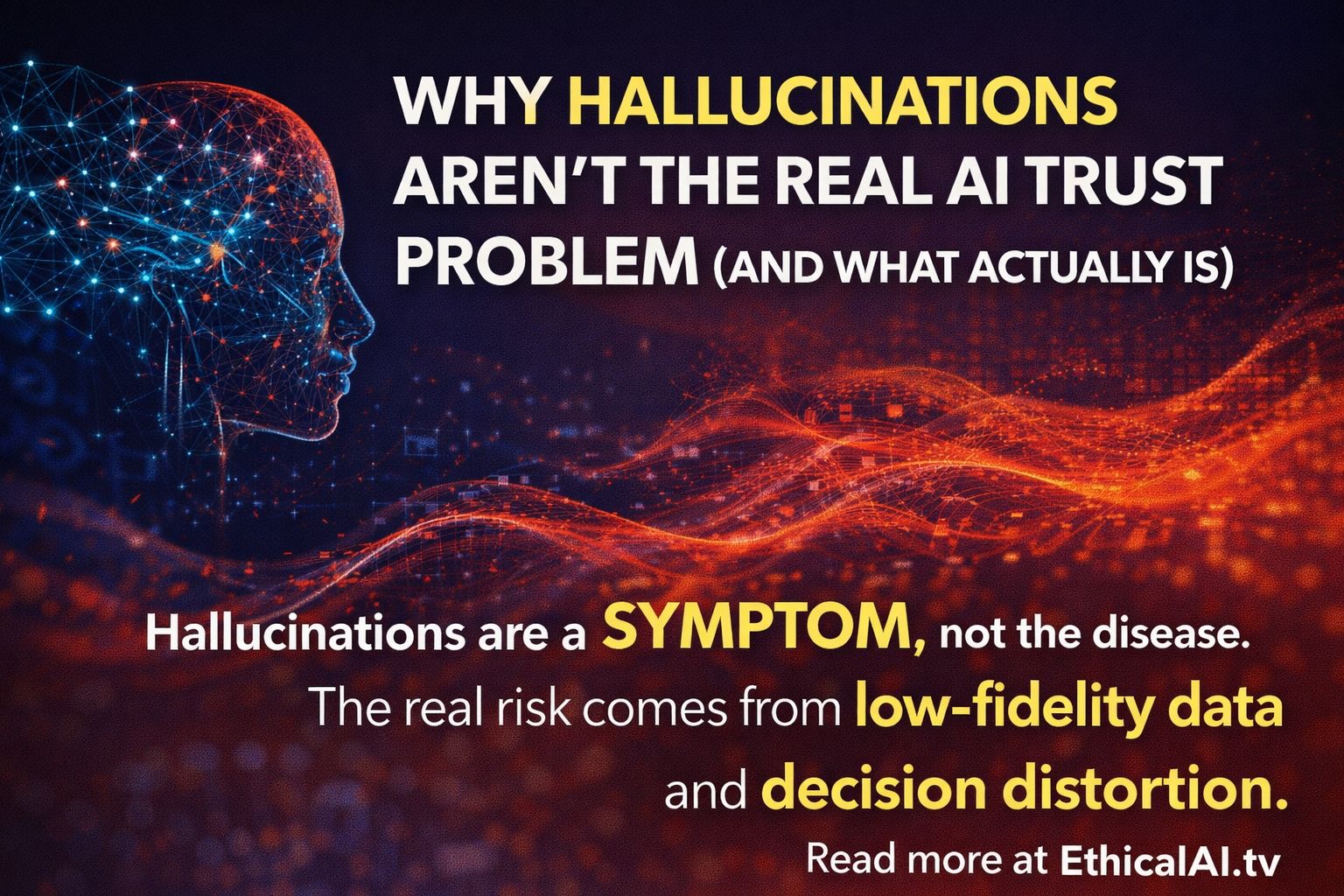
Why Hallucinations Aren’t the Real AI Trust Problem
Why Hallucinations Aren’t the Real AI Trust Problem AI hallucinations are finally getting attention. New research is ranking models based on how often they fabricate answers. That’s real progress — a... ...more
Ethical Ai
February 12, 2026•4 min read


